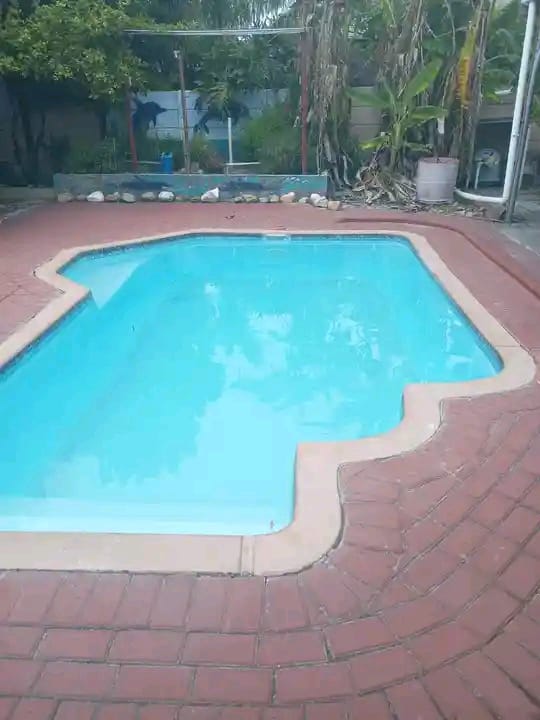
Professional Pool Area Cleaning in Cape Town
Safe, Sparkling, & Slip-Free
Our Cape Town, Northern Suburbs, pool area cleaning professional will help you create a safe and inviting poolside environment by professionally removing slippery algae, grime, and chemical stains from your pool deck, paving, and coping.
Get a Free Pool Area Cleaning Quote
✔ Algae & Slip-Hazard Removal
✔ Safe for All Pool Surrounds
✔ Paving, Decking & Coping
✔ Fast, No-Obligation Quotes
Our Service Areas are Cape Town, Northern Suburbs
Fonster connect you with trusted pool area pressure cleaning professionals across the Cape Town Northern Suburbs area.
Our network currently covers the following suburbs and more:
We are expanding rapidly. Don't see your area, yet? No problem. Get in touch and we'll find a pro near you.
Our pool area pressure cleaning is part of our extensive range of pressure cleaning services
Eliminate Dangerous Slip Hazards
Wet feet + algae = hospital visits. Pool surrounds are statistically the most dangerous outdoor area of your home.
Why Pool Decks Become Slippery
- Algae biofilm: Invisible green slime even on "clean-looking" surfaces
- Constant moisture: Never fully dries out
- Shaded areas: North-facing or tree-covered sections
- Organic buildup: Oils, sunscreen, dead skin cells
- Smooth surfaces: Polished stone and tiles especially hazardous
High-Risk Situations
- Children running around pool (high energy, less caution)
- Elderly family members (higher injury risk from falls)
- Pool parties and entertaining (many people, distractions)
- Early morning/evening (dew makes algae even more slippery)
- Travertine and limestone (beautiful but notoriously slippery when wet)
Don't wait for an accident. If your pool deck feels even slightly slippery when wet, it needs professional cleaning immediately.
Our Pool-Safe Cleaning Process
Standard pressure cleaning can contaminate pool water and disrupt chemistry. We use specialized pool-area techniques:
Step 1: Pre-Service Assessment
- Identify surface types and condition
- Check pool chemistry and water level
- Locate drains and water flow patterns
- Assess algae growth and staining severity
- Plan runoff management strategy
Step 2: Protection Setup
- Cover pool if necessary (or work with uncovered)
- Protect plants and garden beds
- Set up equipment and water supply
- Clear furniture and pool toys
Step 3: Pre-Treatment Application
- Pool-safe solutions only: Won't harm water chemistry
- Algaecide treatment for biofilm removal
- Calcium and mineral dissolvers
- Oil and sunscreen breakdown agents
- Dwell time for maximum effectiveness
Step 4: Controlled Cleaning
- Surface-appropriate pressure: Gentle on travertine, higher on concrete
- Directional cleaning (away from pool where possible)
- Complete algae and biofilm removal
- Waterline tile cleaning (if included)
- Coping edge cleaning
- Grout and joint cleaning
Step 5: Thorough Rinse
- Complete removal of cleaning agents
- Managed runoff (minimal pool contamination)
- Final inspection for missed spots
Step 6: Optional Anti-Slip Treatment
- Anti-slip sealers for high-risk surfaces
- Preventative treatments to slow algae regrowth
- Non-slip additives for smooth stone
Post-Service: We provide maintenance recommendations and can set up quarterly cleaning schedules for consistent safety.
Calcium & Mineral Deposit Removal
Pool water splashing leaves behind stubborn white deposits that regular cleaning can't remove.
What Causes Buildup
- Calcium hardness: Dissolved minerals in pool water
- Evaporation: Leaves mineral deposits behind
- Splashing: Constant water on coping and nearby surfaces
- High pH: Increases calcium precipitation
- Hard water areas: More minerals in source water
Where Deposits Form
- Waterline tiles (most visible area)
- Pool coping edges
- Overflow grates and channels
- Spa spillways and water features
- First 50cm of pool deck (splash zone)
- Glass pool fencing (near water)
Our Removal Process
- Acid-based treatments: Dissolve calcium deposits safely
- Pumice stone work: For stubborn tile buildup
- Specialized scrubbing: Manual work where needed
- pH-balanced rinse: Protect pool chemistry
Prevention tip: Regular cleaning (quarterly) prevents heavy buildup that requires aggressive treatment.
Travertine & Natural Stone Specialists
Natural stone pool surrounds are beautiful but require expert care. Wrong cleaning methods cause permanent damage.
Why Natural Stone Is Different
- Porous surface: Absorbs stains and liquids
- Soft material: High pressure causes etching and pitting
- Chemical sensitive: Wrong cleaners etch and discolour
- Natural variation: Each stone has different hardness
- Filled holes: Travertine filling can be dislodged
Common Natural Stone Issues
- Algae in pores: Grows deep into stone texture
- Rust staining: Iron deposits from pool fixtures
- Sunscreen stains: Oil-based products penetrate stone
- White haze: Calcium and mineral deposits
- Dark discolouration: Water absorption and staining
- Slippery when wet: Smooth finish + algae = dangerous
Our Natural Stone Approach
- Soft washing only: Low pressure with specialized cleaners
- pH-neutral solutions: Won't etch or damage stone
- Deep penetration treatment: Kills algae in pores
- Gentle agitation: Soft brushes where needed
- Proper rinse technique: Complete chemical removal
Post-Cleaning Protection
- Impregnating sealers: Protect without changing appearance
- Anti-slip treatments: Critical for pool safety
- UV protection: Prevents fading and weathering
- Stain resistance: Easier to clean in future
Common DIY disasters we repair: High-pressure damage (pitting, holes enlarged), acid etching (dull, rough patches), chemical staining (discolouration). Professional cleaning prevents these expensive mistakes.
Waterline Tile Cleaning
That stubborn ring around your pool isn't just cosmetic—it's calcium, body oils, sunscreen, and organic buildup that regular pool maintenance doesn't remove.
What Forms on Waterline Tiles
- Calcium scale: Hard white/grey mineral deposits
- Scum line: Oils, lotions, and organic matter
- Algae staining: Green/brown discolouration
- Rust staining: From metal pool fittings
- Pollen and debris: Stuck to oily residue
Why It's Difficult to Remove
- Buildup hardens over time (becomes rock-hard)
- Constant re-exposure to pool water
- Chemical resistance (chlorine doesn't help)
- Multiple layers of different substances
- Tile grout holds buildup even when tiles are clean
Our Waterline Cleaning Method
- Specialized tile cleaners: Break down calcium and oils
- Pumice stone treatment: Gentle abrasive for tiles (not plaster)
- Pressure washing: Controlled pressure at waterline
- Manual scrubbing: Detailed work on grout lines
- Acid wash option: For severe calcium buildup
Frequency: Waterline tiles should be cleaned annually, more often for heavy use pools or hard water areas. Regular cleaning prevents buildup that requires aggressive treatment.
Glass Pool Fence Cleaning
Glass pool fencing looks stunning when clean but shows every water spot, fingerprint, and calcium deposit.
Common Glass Fence Issues
- Water spotting: Mineral deposits from sprinklers and splash
- Calcium buildup: White haze near pool
- Soap scum: From sunscreen and body oils
- Fingerprints and smudges: Especially at child height
- Green algae spots: Where water collects at base
- Hard water staining: Etched-in mineral marks
Professional Glass Cleaning Process
- Specialized glass cleaners (streak-free formula)
- Mineral deposit removers for hard water stains
- Soft washing of glass panels
- Spigot and hardware cleaning (stainless steel care)
- Microfiber finishing for perfect clarity
Frame & Spigot Cleaning
- Stainless steel: Remove oxidation and spots
- Aluminum frames: Clean and protect finish
- Spigots and clamps: Detail cleaning of all hardware
- Rubber seals: Clean without damaging gaskets
Protective Treatments
- Water repellent coating: Makes water bead and roll off
- Anti-spot treatment: Reduces future mineral deposits
- Easier maintenance: Glass stays cleaner longer
Maintenance tip: Clean glass fencing every 3-6 months to prevent permanent etching from mineral deposits. The longer buildup sits, the harder it is to remove without professional restoration.
Seasonal Pool Area Cleaning
Strategic timing ensures your pool area is always presentation-ready when you need it most.
Pre-Summer Deep Clean (September-November)
- Essential timing: Before swimming season begins
- Remove winter buildup: Months of algae and dirt
- Safety focus: Eliminate slip hazards before kids use pool
- Party ready: Christmas entertaining season
- Sealing opportunity: Protect surfaces for summer
Most popular service period. Book early for best availability.
Mid-Summer Refresh (January-February)
- Peak usage means rapid algae regrowth
- Remove accumulated sunscreen and oils
- Refresh slip resistance for second half of summer
- Keep pool area looking great through peak season
Post-Summer Clean (March-April)
- Remove summer's accumulated grime
- Protect surfaces before winter weather
- Less urgent than pre-summer but good preventative care
Commercial Pool Area Cleaning
Hotels, apartments, gyms, schools, and community pools have higher liability concerns and stricter safety requirements.
Commercial Properties We Service
- Hotels & resorts: Guest-facing pool areas
- Strata complexes: Common area pools
- Gyms & leisure centers: High-traffic facilities
- Schools & universities: Swimming pools and surrounds
- Caravan parks: Public pool areas
- Aquatic centers: Olympic and competition pools
- Aged care facilities: Therapy and recreation pools
- Community centers: Public swimming facilities
Commercial Service Advantages
- Scheduled maintenance: Regular cleaning programs
- Flexible timing: After-hours or low-traffic periods
- Compliance focus: Meet WHS and safety standards
- Documentation: Service reports and certificates
- Emergency response: Rapid service for safety issues
- Volume pricing: Competitive rates for regular service
High-Traffic Challenges
- Constant use accelerates wear and buildup
- More bathers = more organic matter
- Public liability concerns require higher standards
- Visible cleanliness affects business reputation
- Stricter regulations and inspection requirements
Maintenance Program Benefits
- Quarterly cleaning: Prevents heavy buildup
- Priority scheduling: Guaranteed service slots
- Consistent results: Always presentation-ready
- Budget-friendly: Fixed annual pricing
- Safety compliance: Regular documentation
Why DIY Pool Area Cleaning Goes Wrong
Pool surrounds are expensive—mistakes cause thousands in damage or, worse, pool water contamination requiring complete draining.
Common DIY Disasters
- Pool contamination: Wrong chemicals drain into pool, requiring water replacement
- Travertine etching: High pressure creates permanent pitting and holes
- Tile damage: Broken or cracked tiles from excessive pressure
- Coping damage: Loosened or broken pool edges
- Grout erosion: Washing out joint material
- Chemical burns: Wrong acid concentrations damage stone
- Water chemistry chaos: Contamination costs hundreds to correct
- Incomplete algae removal: Returns within weeks
Rental Equipment Limitations
- Wrong pressure settings for delicate surfaces
- Generic cleaning solutions (not pool-safe)
- No surface-specific knowledge
- Inadequate power for calcium buildup
- No experience with natural stone
The hidden cost: Repairing etched travertine costs R3,000-R10,000. Replacing damaged pool tiles costs R50-R150 per tile. Draining and refilling a contaminated pool costs R500-R2,000. Professional cleaning costs a fraction of these repair bills.
Pool Area Cleaning Pricing
Typical investment: R1000+ for complete pool surround cleaning
What Affects the Price?
- Pool size: Area of deck/paving around pool
- Surface type: Travertine requires more care than concrete
- Condition: Heavy calcium buildup takes longer
- Additional features: Spa, water features, extensive glass fencing
- Accessibility: Access limitations or difficult layouts
- Extra services: Waterline tiles, glass fence, coping
Service Packages
- Basic: Pool deck/paving only
- Standard: Deck + coping + waterline tiles
- Premium: Complete pool area + glass fence + sealing
- Maintenance: Quarterly program (discounted rate)
Free quotes: Send us photos of your pool area or we can visit for accurate assessment. Most quotes provided within 24 hours.
Transparent pricing: Fixed quote—no hidden costs or surprises on the day.
Specialised Cleaning for All Pool Surrounds
The contractors in our network use careful techniques to clean your pool area effectively without getting debris or cleaning solutions into your pool water.
- Paved Surrounds: Safely cleans concrete, clay, and stone pavers, removing all algae from the surface and the joints.
- Wooden & Composite Decking: Uses a low-pressure soft wash to clean decking without causing damage, perfect for around the pool.
- Coping Stones: Carefully cleans the pool's edge, removing chemical stains and algae buildup for a pristine finish.
- Enclosures & Lapa Areas: We can also arrange for the cleaning of surrounding walls, glass fences, and lapa floors.
Pool Deck & Surround Cleaning
Pool areas require special attention—constantly wet environments breed algae, and safety is paramount.
Pool Deck Challenges
- Algae growth: Thrives in wet conditions
- Calcium deposits: From pool water splashing
- Sunscreen & body oils: Build up over summer
- Leaf staining: Tannins from surrounding trees
- Chlorine damage: Can discolour some surfaces
- Salt buildup: From saltwater pools
Pool-Safe Cleaning
- Pool-safe cleaning solutions (won't affect water chemistry)
- Careful water management (minimize runoff into pool)
- Anti-slip treatments for wet areas
- Coping and tile cleaning included
- Can coordinate with pool maintenance schedule